
by Elsie Clark | Jan 14, 2026 | Innovation
Advanced Air Mobility (AAM) firm Joby Aviation has received the first of two CAE simulators to train its pilots.
Specifically designed for eVTOL operations, the simulators will enable Joby to train as many as 250 pilots a year. Featuring a 300-by-130-degree field of view, state of the art 3D visuals and audio cues recreate a real-world environment as closely as possible.
Alexandre Prévost, President of Civil Aviation at CAE, said:
By leveraging decades of expertise in high-fidelity simulation, we are helping Joby prepare pilots for safe, efficient operations and supporting the industry’s transition to sustainable air transportation.
Joby has worked with CAE on on the simulators since 2022. The culmination of for years of research and development, the systems will be key to advancing Joby’s certification plans in the US. Among other agreements, the company has also made significant progress in the United Arab Emirates (UAE), where it plans to launch a commercial eVTOL service later this year.
Bonny Simi, President of Operations at Joby, added:
These simulators are central to the FAA certification process and are being delivered on time to support pilot training ahead of Joby’s first commercial flights planned for this year. Developing flight fully qualified simulators takes years of work and access to aircraft data, and it is required for Part 135 operations of eVTOL aircraft in the United States.
Join us at Aerospace Tech Week 2026 to discuss the future of Advanced Air Mobility (AAM).
For more like this, see:
by Elsie Clark | Jan 6, 2026 | Connectivity, Innovation
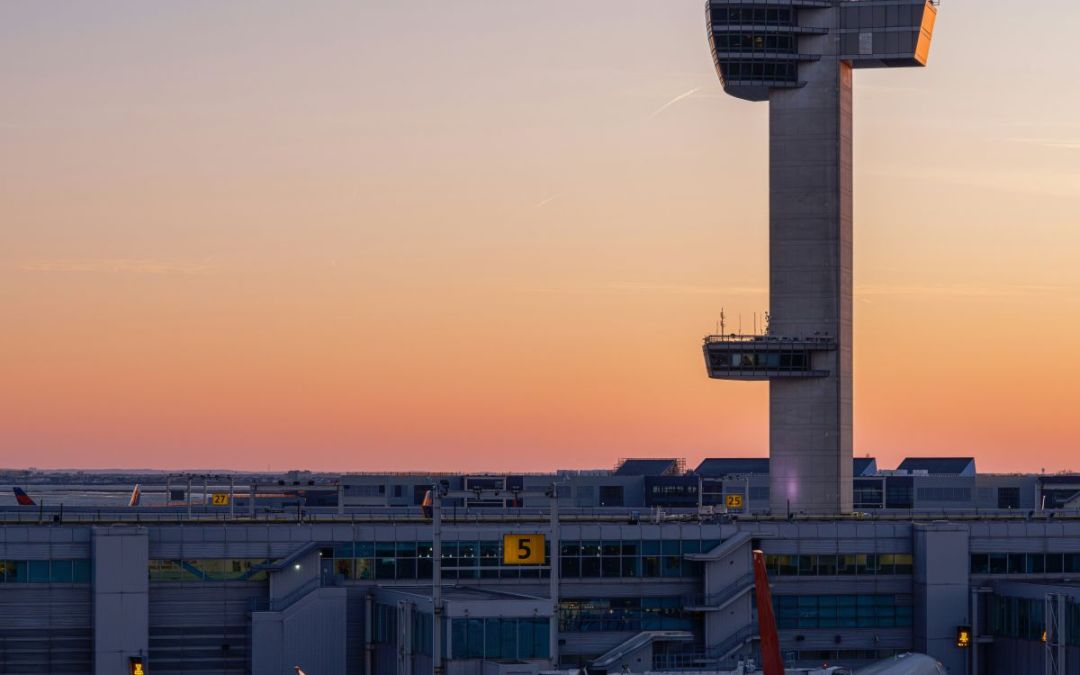
The Federal Aviation Administration (FAA) has awarded a US$438 million contract to Collins Aerospace for the renovation of radar infrastructure.
Under the Radar System Replacement programme, the FAA is investing in radar to improve the operational readiness of air traffic control. Next-generation tech will support the upgrade, including Collins’s co-operative and non-co-operative radar systems. A single architecture will be used instead of the current fragmented legacy structure.
Nate Boelkins, president of Avionics at Collins Aerospace, said:
As a trusted supplier to the FAA for more than 70 years, Collins is ready to rapidly deploy next-generation radar systems that replace outdated technology with a single, modern and interoperable solution. These systems integrate seamlessly with existing infrastructure, enhance safety and efficiency for air traffic controllers, reduce long-term costs, and ensure the system is prepared for the future of the National Airspace.
Condor Mk3 and ASR XM radar systems are among those included as part of the contract. Together, they will facilitate more precise aircraft tracking, especially at lower altitudes. Collins Aerospace is a subsidiary of RTX, which already has over 550 radar systems operating across the US.
Modernisation of American air traffic control has become an increasing priority in recent years. In 2025, Congress approved a US$12.5 billion modernisation plan for upgrading infrastructure across the country. Meanwhile, the government has also attempted to expedite the training of air traffic controllers, with a shortage of trained personnel also affecting the FAA’s efficiency in flight management.
Join us at Aerospace Tech Week 2026 to discuss the future of air traffic control.
For more like this, see:
by Elsie Clark | Dec 10, 2025 | Avionics, Innovation
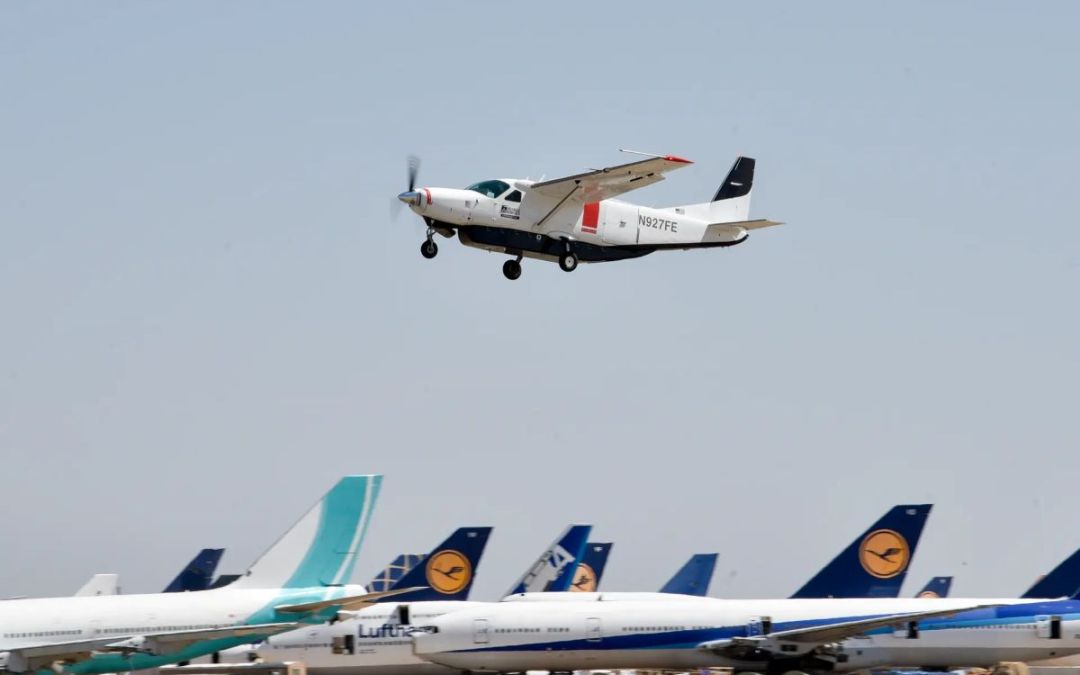
Reliable Robotics has signed a contract with NASA’s Aeronautics Research Mission Directorate (ARMD) to test its Cessna 208B Caravan at airports. Data collected from the flights will help inform the FAA and Standards Development Organizations (SDOs) as they set regulations for uncrewed aircraft systems.
Providing the tech for continuous autopilot engagement through all phases of flight, including auto-taxi, auto-takeoff and auto-landing, Reliable Robotics’ mission is to make flight safer. Designed for cargo operations, the company will use the new agreement with NASA to test interactions with air traffic control and potential contingency scenarios. There will be no pilot onboard during the final flight demonstration.
Robert Rose, CEO and co-founder, Reliable Robotics, said:
This testing campaign comes at a unique moment in time, when safety-enhancing aircraft autonomy is rapidly nearing FAA certification and entry into service for regional air cargo and military use cases. Efforts like this are how we continue to advance the necessary public policy ecosystem. We deeply value the continued partnership with NASA to conduct testing that will advance industry-wide efforts to expand remotely piloted aircraft operations at airports.
After the tests, data will be passed on to NASA, FAA, and SDOs to develop Minimum Operational Performance Standards (MOPS) and Minimum Aviation System Performance Standards (MASPS) for UAS. Demonstrating this technology in real-world environments is essential for proving — and enhancing — their safety in advance of commercial launch.
Join us at Aerospace Tech Week 2026 to discuss the future of uncrewed aircraft systems.
For more like this, see:
by Elsie Clark | Sep 25, 2025 | Innovation
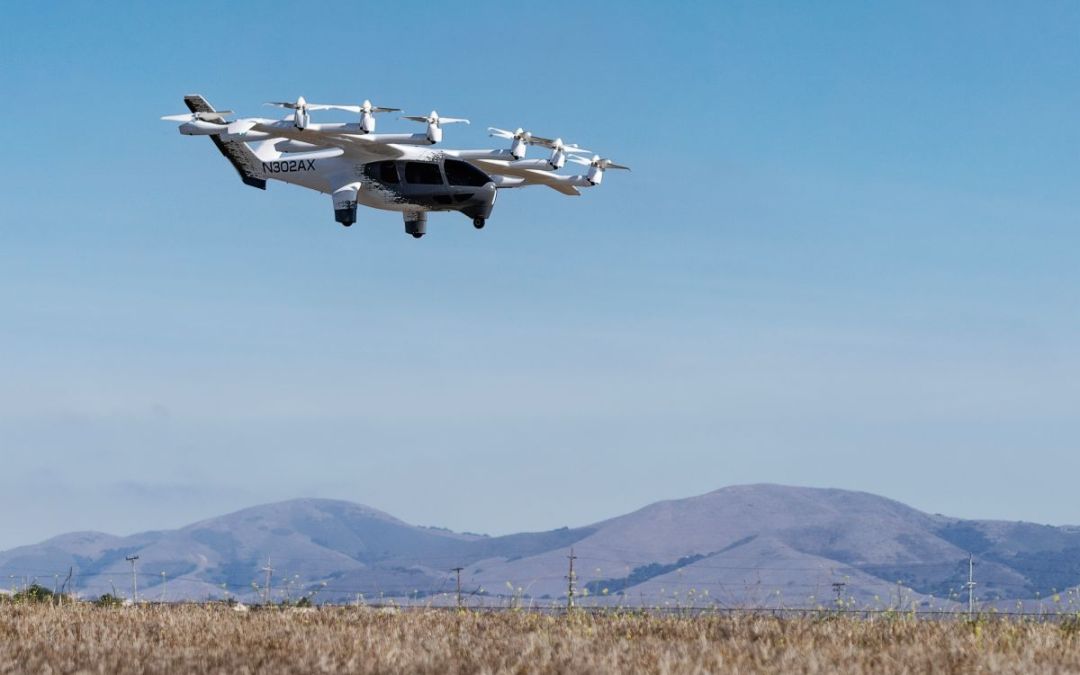
Archer Aviation Inc’s Midnight electric vertical takeoff and landing (eVTOL) craft flew at 7,000 feet during a recent test in California. This announcement comes as the company seeks FAA certification to deploy its air taxis in the US.
Archer’s expansion programme is testing the limits of eVTOLs, as research suggests higher-altitude capabilities will be needed. While most air taxis are designed to fly between 1,500 and 4,000 feet, they may need to operate at higher altitudes in densely populated areas and high-elevation cities.
Adam Goldstein, Archer’s founder and CEO, said:
I’m proud of the team for consistently proving Midnight’s performance capabilities while maintaining the highest safety standards. Our test pilots will continue to safely and methodically test Midnight’s speed, duration, and mission profiles to prepare for early commercial operations.
While FAA approval pends, Archer secured fast-track approval for operating its air taxis in the United Arab Emirates (UAE) in May 2025. Typically, private aircraft in the UAE need to be certified by the FAA, EASA, or Transport Canada. However, the UAE’s General Civil Aviation Authority (GCAA) has signed a strategic partnership with Archer to bypass these regulations and accelerate the commercial future of eVTOLs in the Arabian Gulf.
Aviation Week Network forecasts that 1,000 eVTOL vehicle deliveries will take place in 2030, more conservative figures than stated elsewhere. Overcoming certification and infrastructure hurdles will be key to the dream of advanced air mobility (AAM) becoming a reality. Archer’s current run of tests hope to demonstrate the technical capabilities of its aircraft and acclerate the critical regulatory approvals process.
Join us at Aerospace Tech Week to discuss the future of AAM.
For more like this, see:
by Elsie Clark | Sep 10, 2025 | AI & ML, Innovation
A new strategic partnership between Adacel Technologies and Smart Eye will enhance the MaxSim air traffic control (ATC) simulation platform. MaxSim currently provides the Federal Aviation Authority (FAA), Air Force, and U.S. Army with controller training across a variety of scenarios.
Through integration with Smart Eye’s artificial intelligence (AI) programme, MaxSim will monitor trainee controllers’ eye movements and attention patterns during simulation exercises. This will allow instructors to analyse objective, quantifiable data on the trainees’ development, ultimately improving learning and preparedness.
Adacel vice president Michael Saunders commented:
Partnering with Smart Eye now brings advanced eye-tracking analytics into MaxSim, giving instructors unprecedented insight into attention, decision-making, and situational awareness—further enhancing safety and training effectiveness.
As well as ATC training, the sophisticated human performance analytics system has the potential to roll out across other aviation training in due course.
Improved training critical to planned ATC upgrades
The Adacel/Smart Eye partnership comes as the US begins a major overhaul of its ATC system. Department of Transportation Secretary Sean Duffy announced the plans in May 2025, and recently stated that the upgrade could cost US$31.5 billion.
Training new air traffic controllers is essential to these development plans. The FAA ended 2024 with around 3,900 controllers short of targets, but the ensuing recruitment drive has left instructors overworked. Adacel and Smart Eye’s new partnership will provide data that not only enhances ATC training programmes, but reduces the burden on instructors to evaluate performance.
Join us at Aerospace Tech Week 2026 to discuss the future of air traffic control, technology, and connectivity.
To read more, see:



You must be logged in to post a comment.