
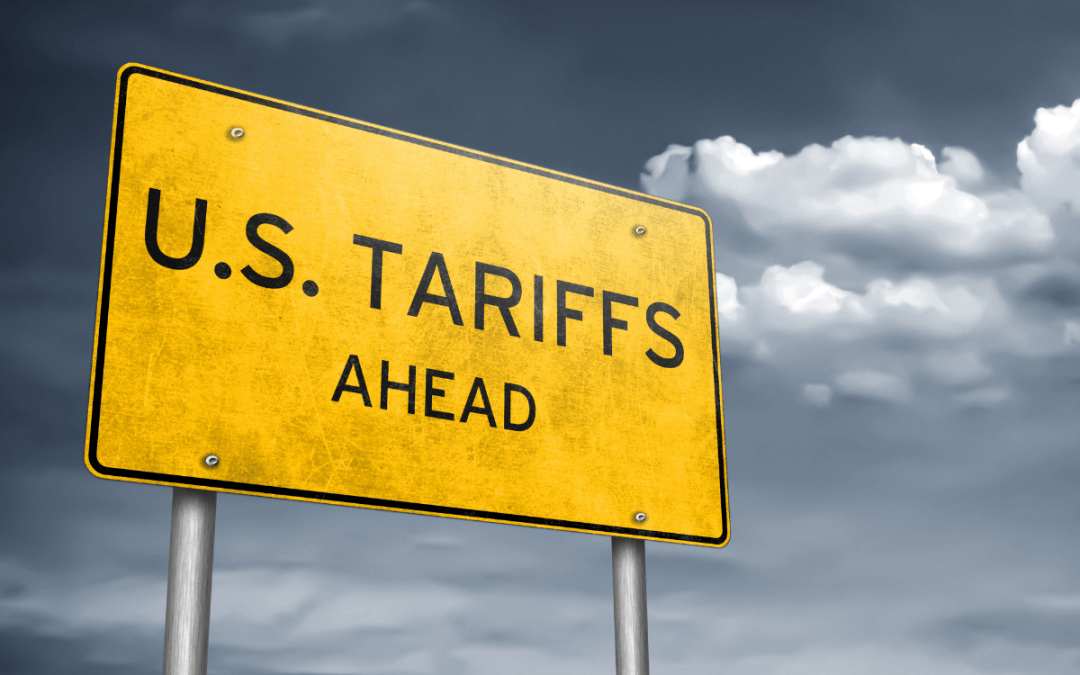
How will tariffs impact the industry?
On Wednesday, Trump announced a 90-day pause on most tariffs introduced on 2nd April. This delay has offered short-term reprieve but has not provided assurances for what the future holds. Wider supply chain challenges have plagued the industry for years now, impacting performance, revenue, and capacity. Now, with the threat of US tariffs, more uncertainty and disruption looms.
Last week, Delta Air Lines CEO, Ed Bastian said during a Q1 earnings call the airline has no plans to pay extra on any incoming aircraft. Although Delta is set to received dozens of planes from France-based Airbus this year, Bastian was resolute in his sentiment, saying:
“Obviously in this environment, we are going to work very closely with Airbus, which is the only airline we’ve got deliveries coming from for the balance of this year. And they’ve been a great partner. We’ll do our very best to see what we have to do to minimize tariffs. But the one thing that you need to know we are very clear on is that we will not be paying tariffs on any aircraft deliveries we take. These times are pretty uncertain. And if you start to put a 20 per cent incremental cost on top of an aircraft, it gets very difficult to make that math work. So we’ve been clear with Airbus on that and we’ll work through and see what happens from that.”
Publications like the Wall Street Journal are highlighting that since the 1980s, Boeing, Airbus, and other aerospace manufacturers have enjoyed exemptions that enabled them to build aircraft and jet engines without tariffs for the most part.
The nature of aerospace’s global supply chain today, means rising cost of materials and components will have a knock on effect throughout the entire ecosystem. With aircraft orders already backlogged, the uncertainty surrounding the tariffs adds strain to a supply chain that is already under heavy stress. It may also impact the delivery schedules and prioritisation of aircraft for carriers.
Back in February, Airbus CEO Guillaume Faury suggested that, should tariffs disrupt imports into the US, the plane-maker could prioritise deliveries to other countries:
“We have a large demand from the rest of the world, so [if] we face very significant difficulties to deliver to the US, we can also adapt by bringing forward deliveries to other customers which are very eager to get planes.”
With the industry bracing itself for the latest update on tariffs and their impact, the coming months will be critical. For more on Delta’s response, watch this short video by Simple Flying below.
For more like this see:
- Reimagined resiliency for aerospace and defense supply chains
- MD, Munich Aerospace: Flight ops, supply chain, and quantum
- 2025: Passenger growth and continued supply chain challenges

You must be logged in to post a comment.