
by Elsie Clark | Sep 16, 2025 | Avionics, Innovation
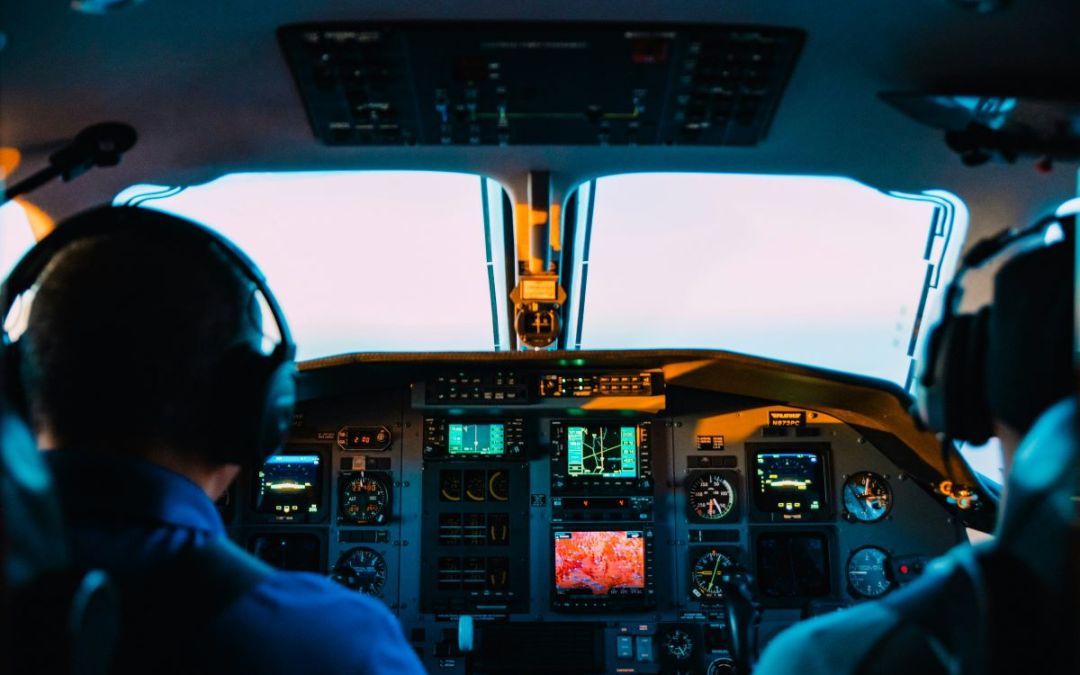
Honeywell has confirmed that their new Surface Alerts (SURF-A) cockpit technology was trialled in Kansas City, US, in late August,
SURF-A was showcased alongside Honeywell’s already-certified SmartRunway/SmartLanding (SmartX) product, in two demonstrations that recreated real-life near-collisions.
SmartX provides audio and visual clues to pilots during high-stress phases of flights, alerting them to configuration errors and wrong-surface alignments in real-time. SURF-A, meanwhile, has been specifically designed to alert pilots when traffic is on the runway. Callouts are given, and text appears on the display screen if another aircraft in the runway engagement zone presents a collision risk.
As global air traffic increases, cockpit alerts are needed to prevent accidents and close margins of error. Honeywell’s tests of SURF-A at Kansas City recreated two notable incidents from recent years: a February 2023 near-collision at Austin-Bergstrom International Airport during fog, and a January 2023 event at New York JFK where an aircraft taxied onto an active runway.
In the recreations of both scenarios, cockpit alerts warned of the traffic ahead, giving the pilots ample time to react and divert the aircraft’s movements.
Honeywell expects SURF-A certification for commercial aircraft in 2026. Southwest Airlines is currently deploying SmartX across its fleet of Boeing 737s, with more than 700 aircraft activated to date.
Join us at Aerospace Tech Week 2026 to learn more about next-generation avionics.
For more like this, see:
by Elsie Clark | Sep 3, 2025 | AI & ML, Innovation, Video
Artificial intelligence (AI) for aviation is forecast to be a $4.96 billion by 2030 — and infrastructure is set to be the largest solution segment.
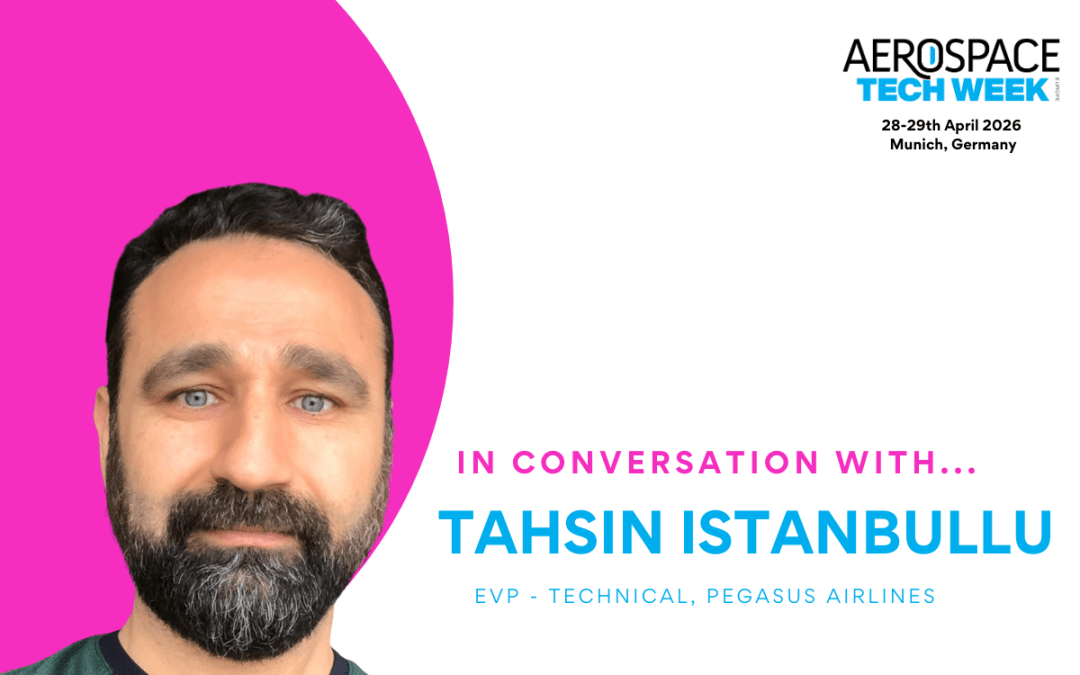
At Aerospace Tech Week 2025, we sat down with Tahsin Istanbullu, Executive Vice President – Technical at Pegasus Airlines, to tap his insights on aviation’s ongoing tech transformation.
Pegasus, a low-cost carrier (LCC) based in Türkiye, operates 37 domestic and 109 international routes. Aiming to become Türkiye’s most on-time airline, adopting tech is key to optimising its operational and maintenance processes.
Everyone is talking about AI, which maybe two years ago people weren’t hearing about. Now everyone is trying to find the right way to use it.
Amid this innovation boom, the range of solutions on offer can be overwhelming. In our exclusive interview, Istanbullu emphasises the importance of planning when integrating new tech.
I think the first challenge is to decide where to start, because the potential [of technology] is huge and promises so much, but you have limited resources.
As well as discussing how AI is reducing downtime and unscheduled maintenance, Istanbullu makes predictions on how he thinks the industry will transform over the next decade. With supply chains continuing to fracture, predictive analytics and maintenance could become essential tools in the aviation industry’s arsenal.
I think in ten years’ time, everybody will be using AI.
🎥 Watch the full interview to hear more about Istanbullu’s predictions for the future of aviation.
Questions asked include:
- How do you see emerging technology reducing aircraft downtime, particularly as the industry struggles with supply chain challenges?
- Are there any specific technologies that you think have the greatest potential?
- What would you identify as the main challenges of innovative tech adoption in the industry?
- Ten years in the future, how will airlines approach fleet maintenance and technical operations differently?
Join us at Aerospace Tech Week 2026!
Subscribe to our free newsletter here.
For more like this, see:

You must be logged in to post a comment.