
by Elsie Clark | May 20, 2026 | AI & ML
United Ventures and Pegasus Innovation Lab are among the investors contributing to a US$1.5 million fundraising round for startup Overwatch AI.
Baobab Ventures and Masia also backed the company, which was founded by former pilot Leo Kotil alongside Nikita Kaeshko. The startup aims to make it easier for airline crew and operations staff to access critical information. Currently fragmented across different systems, Overwatch are building a platform that allows staff to search find what they need using natural language.
Kotil explained:
After nearly a decade as a pilot, I know how painfully disjointed many of the pre- and in-flight processes are. You are trawling through various apps and systems based on outdated software, trying to piece together the information you need to take action. You spend more time on this than flying the plane.
The AI does the hard work of trawling through the reams of documentation and dozens of operational data sources, making sense of it and connecting the dots, surfacing the answers and insights airline teams are looking for.
Overwatch has already experienced early successes, deploying the tech across 30,000 flights. The results are encouraging: a 4.6-times increase in compliant decision-making and a 6.6% increase in crew productivity. The company estimate full deployment could save airlines up to US$4 million.
Pegasus Airlines Innovation Lab managing director Kurtulus Ozturk commented:
Through this partnership, Pegasus contributes real-world operational context, extensive documentation, and direct crew feedback to tailor and scale Overwatch AI within a live airline environment. As a result, our pilots and cabin crew can instantly access critical information through natural language, improving decision-making, operational efficiency, and on-time performance, ultimately enhancing passenger satisfaction.
The US$1.5 million funding round comes following Overwatch AI’s success at Aviation Festival Asia 2026, where they won our Startup Pitch Competition.
Join us at Aerospace Tech Week to discuss the future of flight ops.
For more like this, see:
by Elsie Clark | Apr 15, 2026 | MRO IT
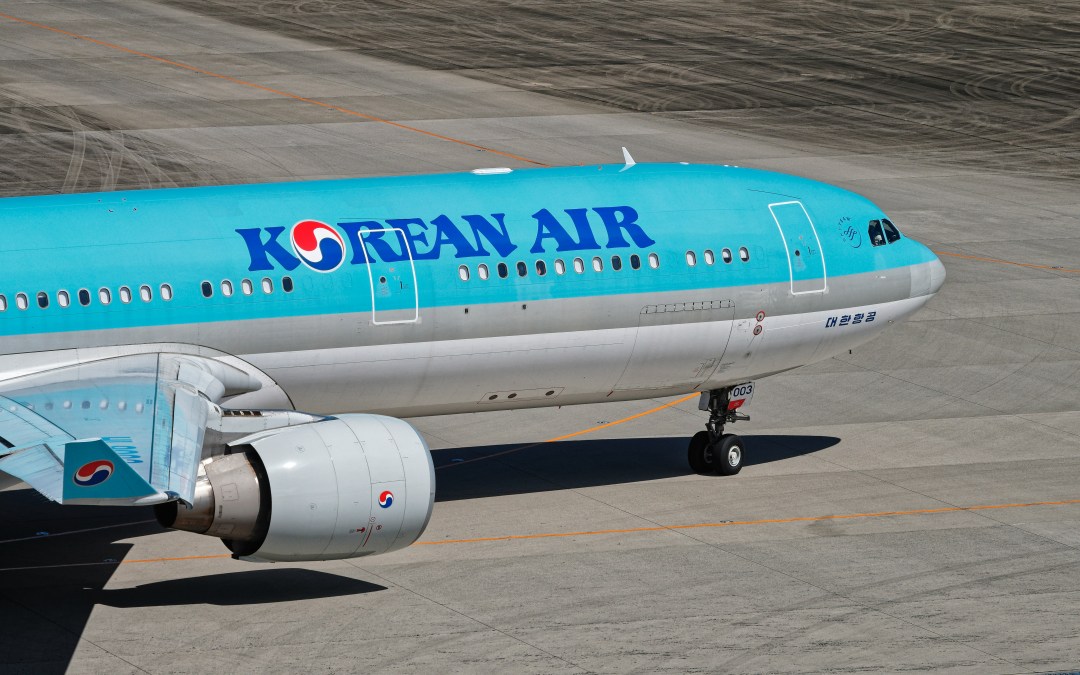
Korean Air have gone live with Ramco Systems software at the heart of their engine maintenance system.
Providing real-time operational data on output, costs, and performance, the system connects with a range of internal and external systems to streamline processes. Additionally, 400 engineers are now managing workflow through the Mechanic Anywhere app. The integration sheds manual processes and reduces turnaround time in an aviation landscape impeded by supply chain issues.
Chan Woo Jung, Senior Vice President and Head of Maintenance & Engineering Division at Korean Air, said:
By partnering with Ramco, we are embracing a digital-first approach that will alllow us to scale with confidence and deliver value, addressing the complexity and precision required in engine maintenance where efficiency is critical.
Korean Air looks to establish a major MRO centre in Asia through its upcoming engine cluster, opening 2027. Their partnership with Ramco supports its goals of becoming a digital and efficient provider of aviation MRO services. Sam Jacob, Executive Vice President & SBU Head – Aviation, Aerospace and Defense, Ramco Systems, said,
It has been an honour to work with Korean Air to digitally transform their engine maintenance operations. Their relentless focus on innovation and process optimiaation, powered by Ramco’s next-generation Aviation Suite, sets a new standard for excellence in the industry. Through real-time visibility, mobile-first workflows and seamless integration, we enable forward-thinking organizations like Korean Air to lead the industry with speed and resilience. With this digital transformation, Korean Air is future-proofing operations for an era of smart and sustainable maintenance, repair and overhaul.
Join us at Aerospace Tech Week 2026.
For more like this, see:
by Elsie Clark | Jan 12, 2026 | AI & ML, Innovation, Sustainability
Industry body IATA has named the five risks that most threaten the aviation industry in 2026. With profit margins expected to remain tight at 3.9%, good decision planning and situational awareness will be critical in determining which airlines make it through the year unscathed.
1. Policy fragmentation
Last year saw the aviation industry thrown into chaos by tariffs, and Marie Owens Thomsen, Senior Vice President, Sustainability & Chief Economist, at IATA, reckons trade disruption will continue in the year ahead. However, this time policy fragmentation around the globe will have more impact.
From protectionism to divergence on sustainability and taxation, nations are more inclined than ever to sidestep industry bodies. Owens Thomsen notes:
Such policies raise little money for governments, have little or no impact on emissions, and make air transport more expensive.
2. Supply chain disruptions
This has been an ongoing theme for years now, but unfortunately pressure on supply chains remains high. IATA does not expect delays on aircraft orders to abate until the 2030s, and also highlights that this negatively impacts the pace on sustainable development.
3. Climate change-related disruptions
Rising temperatures are resulting in more extreme weather events. From violent snowstorms to heatwaves, the impact on all industries’ trade and infrastructure cannot be understated. In the years ahead, increased migration from ‘climate refugees’ will place further strain on air transport and immigration authorities.
4. Cyber threats and Artificial Intelligence (AI)
Airlines and airports are increasingly turning to technology to improve efficiency and manage greater passenger numbers. Yet the deployment of third-party tech providers also multiplies the frontiers for cyberattack. As a critical industry that hosts a wealth of sensitive data, the aviation world is especially vulnerable.
As for AI, the benefits could take years to realise, and the software is not infallible. Misinformation and loss of privacy could all damage relationships with passengers.
5. Macro-economic outlook
The weakening of the US dollar will have a significant impact on aviation, where over half of its cost base is invoiced in USD. While lower oil prices will benefit airlines, the world economy in general is not inclined to growth, threatening the aviation industry’s already narrow margins.
Nevertheless, IATA see reasons to be optimistic, with 4% of global GDP still linked to air travel. Additionally, they emphasise that a move towards sustainable aviation could generate far greater change than any economic policy.
Join us at Aerospace Tech Week 2026.
For more like this, see:
by Elsie Clark | Jan 9, 2026 | AI & ML, Innovation
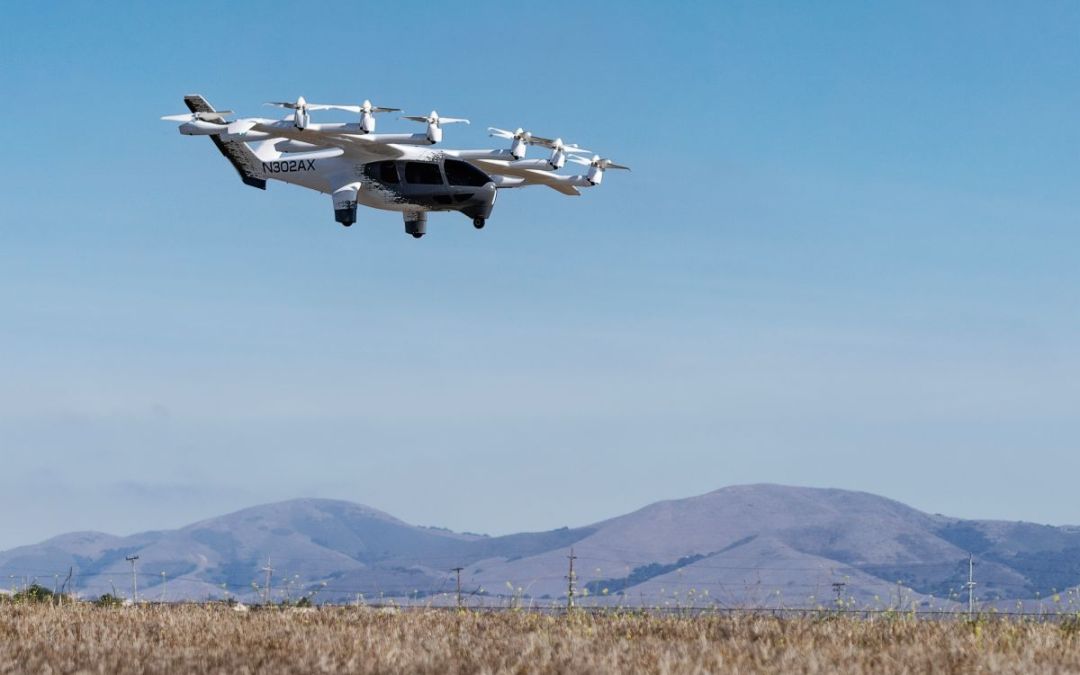
US-based advanced air mobility (AAM) company Archer has announced that it will develop new AI tech for aviation with NVIDIA’s IGX Thor platform. Improving pilot safety, advancing autonomous operation, and ensuring airspace integration will be the key priorities during development.
Archer recently acquired Hawthorne Airport in Los Angeles, California, for the purpose of testing its aircraft and new systems. The company will make use of this base as it advances its collaboration with NVIDIA.
Adam Goldstein, Archer’s Founder and CEO, said:
NVIDIA’s AI compute capabilities and software stack give us the foundation to accelerate toward safer, smarter aircraft systems and modernise how aviation interfaces with the world’s airspace.
The IGX Thor platform has been designed to enhance the safety and situational awareness of onboard computers, ensuring high performance at all times. Archer will build on this foundation and explore advanced uses of:
- Real-time flight path data for improved pilot awareness
- Improved routing and traffic planning
- Autonomous and semi-autonomous flight controls
One of the world’s leading AAM companies, Archer’s Midnight eVTOL is rapidly approaching commercialisation. Air taxi trials in the US and Saudi Arabia, announced at the end of 2025, will bring the aircraft closer to regulatory approval. The company has also signed development agreements with authorities in Japan and South Korea.
While the partnership with NVIDIA will contribute significantly to Archer’s product, the results will be of significant interest to the aviation industry as commercial automation begins to take flight.
Join us at Aerospace Tech Week 2026 to discuss the future of AI in aerospace.
For more like this, see:
by Elsie Clark | Dec 10, 2025 | Avionics, Innovation
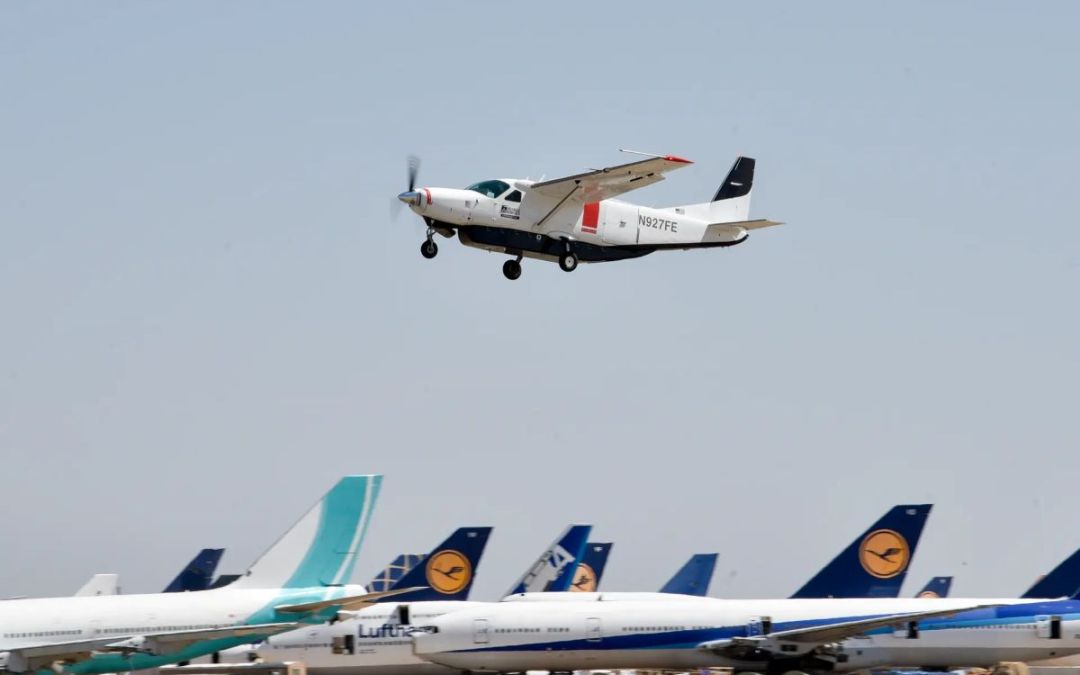
Reliable Robotics has signed a contract with NASA’s Aeronautics Research Mission Directorate (ARMD) to test its Cessna 208B Caravan at airports. Data collected from the flights will help inform the FAA and Standards Development Organizations (SDOs) as they set regulations for uncrewed aircraft systems.
Providing the tech for continuous autopilot engagement through all phases of flight, including auto-taxi, auto-takeoff and auto-landing, Reliable Robotics’ mission is to make flight safer. Designed for cargo operations, the company will use the new agreement with NASA to test interactions with air traffic control and potential contingency scenarios. There will be no pilot onboard during the final flight demonstration.
Robert Rose, CEO and co-founder, Reliable Robotics, said:
This testing campaign comes at a unique moment in time, when safety-enhancing aircraft autonomy is rapidly nearing FAA certification and entry into service for regional air cargo and military use cases. Efforts like this are how we continue to advance the necessary public policy ecosystem. We deeply value the continued partnership with NASA to conduct testing that will advance industry-wide efforts to expand remotely piloted aircraft operations at airports.
After the tests, data will be passed on to NASA, FAA, and SDOs to develop Minimum Operational Performance Standards (MOPS) and Minimum Aviation System Performance Standards (MASPS) for UAS. Demonstrating this technology in real-world environments is essential for proving — and enhancing — their safety in advance of commercial launch.
Join us at Aerospace Tech Week 2026 to discuss the future of uncrewed aircraft systems.
For more like this, see:



You must be logged in to post a comment.