
Honeywell have pioneered a new production process that turns agricultural and forestry waste into sustainable aviation fuel (SAF).
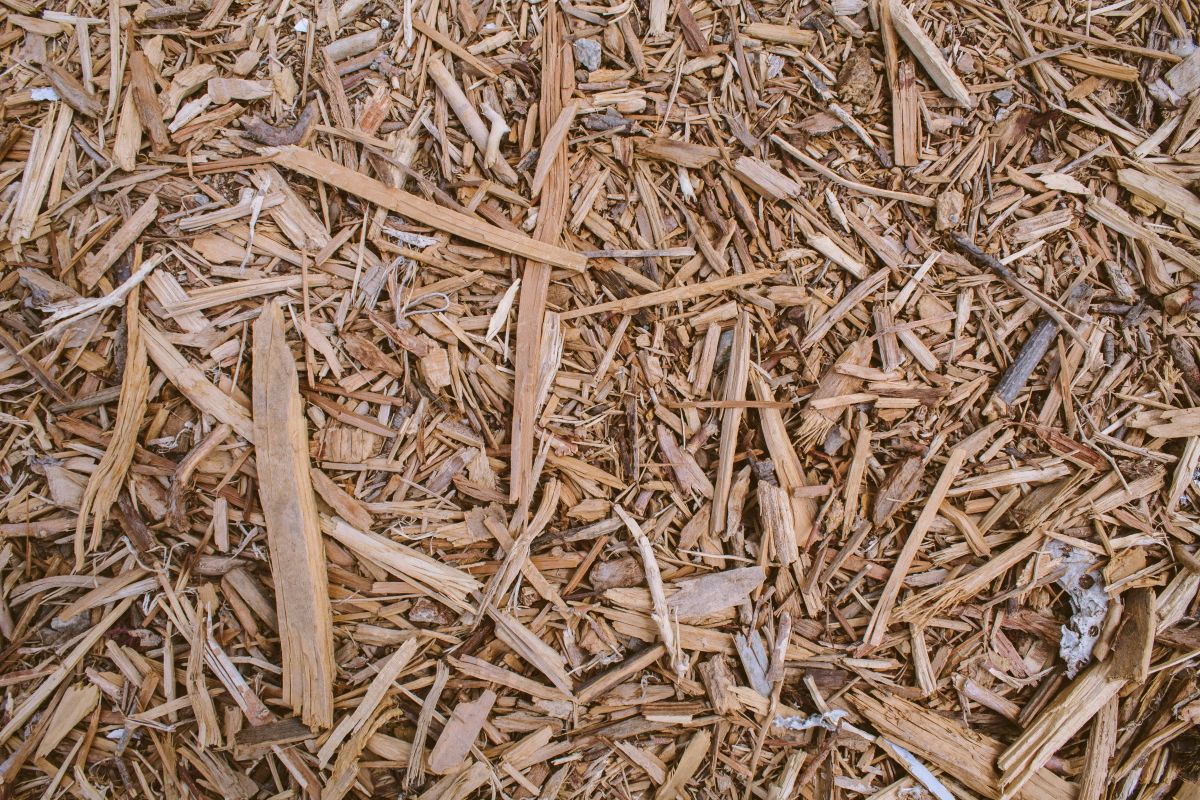
Under the UOP (Universal Oil Products) Biocrude Upgrading process, inexpensive biomass feedstocks such as wood chips and sawmill dust are converted into a renewable biocrude. This can then be refined at existing petroleum refineries, with no need for further specialist facilities.
The new fuel process complements Honeywell’s existing portfolio of renewable fuels. These including Ecofining, developed in partnership with Eni S.p.A., which converts fats and oils into renewable deisel and SAF. Honeywell’s Ethanol-to-Jet (ETJ) tech turns ethanol into synethetic paraffinic kerosene, while the Fishcer-Tropsch Unicracking refines synthetic gas into liquid fuels.
Ken West, President & CEO of Honeywell Energy & Sustainability Solutions, said:
As demand for SAF continues to grow, the aviation industry is challenged by limited supplies of traditional SAF feedstocks such as vegetable oils, animal fats and waste oils.
When combined with the existing Fischer-Tropsch process, our new technology will expand the feedstock options available in the industry to sources that are more plentiful, ultimately helping improve our customers’ ability to produce SAF.
The new biomass-derived fuel puts the US company in competition with other SAF pioneers, including the Finnish brand Neste, the current leader in SAF production. The race to scale SAF is well and truly on, as demand for sustainable fuels far outpaces current supply, and cost pressures inhibit competitivity with the jet fuel market.
Join us at Aerospace Tech Week to discuss the future of sustainability in aviation operations.
For more like this, see: