
NASA and Reliable Robotics to test uncrewed aircraft systems (UAS)
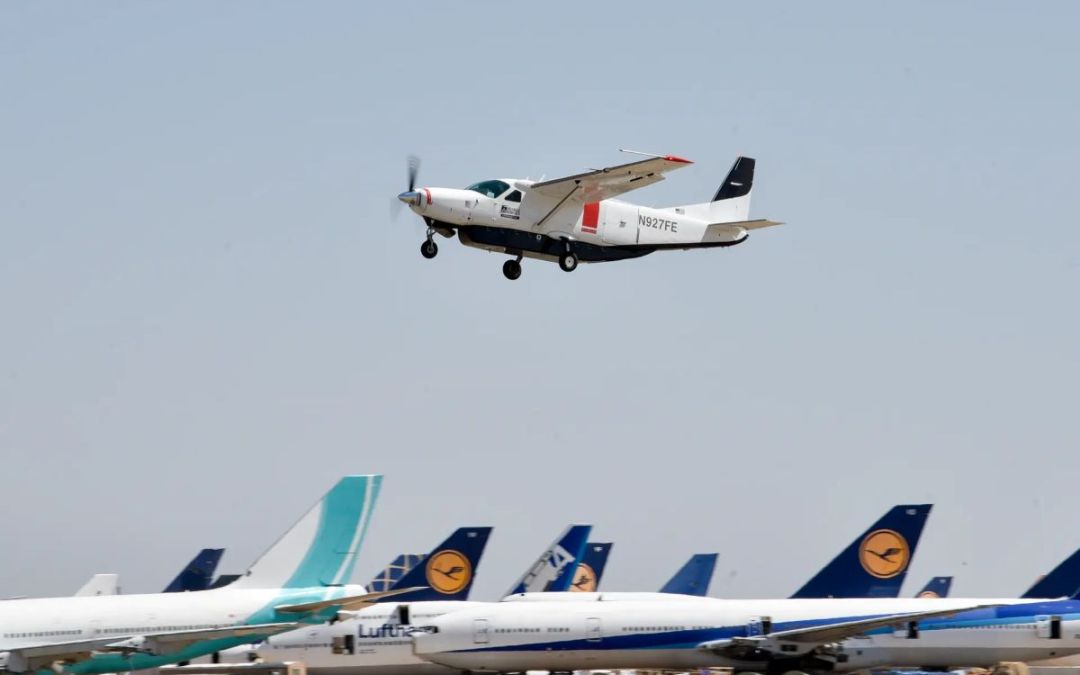
Reliable Robotics has signed a contract with NASA’s Aeronautics Research Mission Directorate (ARMD) to test its Cessna 208B Caravan at airports. Data collected from the flights will help inform the FAA and Standards Development Organizations (SDOs) as they set regulations for uncrewed aircraft systems.
Providing the tech for continuous autopilot engagement through all phases of flight, including auto-taxi, auto-takeoff and auto-landing, Reliable Robotics’ mission is to make flight safer. Designed for cargo operations, the company will use the new agreement with NASA to test interactions with air traffic control and potential contingency scenarios. There will be no pilot onboard during the final flight demonstration.
Robert Rose, CEO and co-founder, Reliable Robotics, said:
This testing campaign comes at a unique moment in time, when safety-enhancing aircraft autonomy is rapidly nearing FAA certification and entry into service for regional air cargo and military use cases. Efforts like this are how we continue to advance the necessary public policy ecosystem. We deeply value the continued partnership with NASA to conduct testing that will advance industry-wide efforts to expand remotely piloted aircraft operations at airports.
After the tests, data will be passed on to NASA, FAA, and SDOs to develop Minimum Operational Performance Standards (MOPS) and Minimum Aviation System Performance Standards (MASPS) for UAS. Demonstrating this technology in real-world environments is essential for proving — and enhancing — their safety in advance of commercial launch.
Join us at Aerospace Tech Week 2026 to discuss the future of uncrewed aircraft systems.
For more like this, see:

You must be logged in to post a comment.