
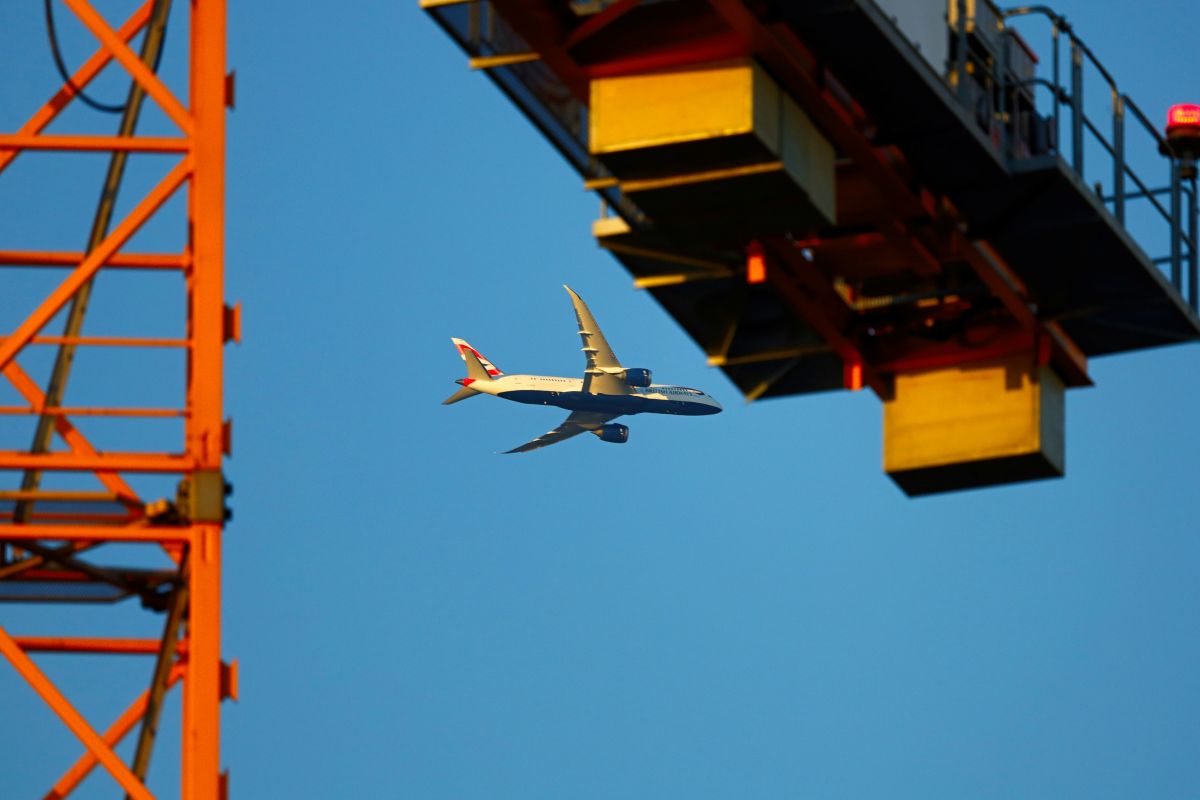
A new report from IATA and Oliver Wyman, Reviving the Commercial Aircraft Supply Chain, forecasts that supply chain challenges could cost airlines more than US$11 billion in 2025.
This is largely due to the slow pace of aircraft production, which has been exacerbated by ever-increasing demand for air travel. In 2024, passenger demand rose by 10.4%, exceeding the capacity expansion of 8.7%, while the worldwide commercial backlog of aircraft reached historic high of 17,000.
Geopolitical instability, material shortages, and labour availability have compounded these supply chain challenges, forcing airlines to keep older aircraft in service for longer. This results in higher fuel costs, maintenance costs, engine leasing costs, and surplus inventory holding costs. According to IATA, these bottlenecks combined will cost airlines US$11 billion in 2025.
The report offers several suggestions for the aerospace industry to mitigate these problems. Willie Walsh, IATA’s Director General, commented:
Airlines depend on a reliable supply chain to operate and grow their fleets efficiently. Now we have unprecedented waits for aircraft, engines and parts and unpredictable delivery schedules. […]
There is no simple solution to resolving this problem, but there are several actions that could provide some relief. To start, opening the aftermarket would help by giving airlines greater choice and access to parts and services. In parallel, greater transparency on the state of the supply chain would give airlines the data they need to plan around blockages while helping OEMs to ease underlying bottlenecks.
Additionally, the report recommends that the industry improve its use of data, including accelerating predictive maintenance and data sharing to reduce downtime and optimise existing inventory.
Matthew Poitras, Partner in Oliver Wyman’s Transportation and Advanced Industrials practice, added:
Today’s aircraft fleet is larger, more advanced, and more fuel efficient than ever before. However, supply chain challenges are impacting airlines and OEMs alike. We see an opportunity to catalyse an improvement in supply chain performance that will benefit everyone, but this will require collective steps to reshape the structure of the aerospace industry and work together on transparency and talent.
Join us at Aerospace Tech Week 2026, where our dedicated supply chain track will discuss how the industry can build resilience and mitigate disruption.
For more like this, see: